Description
Is Oxycontin Still Available
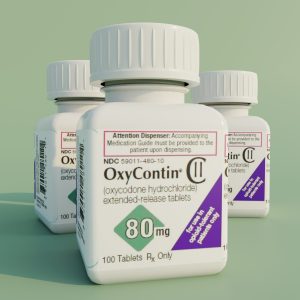
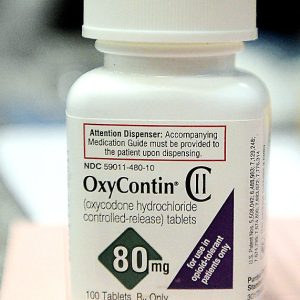
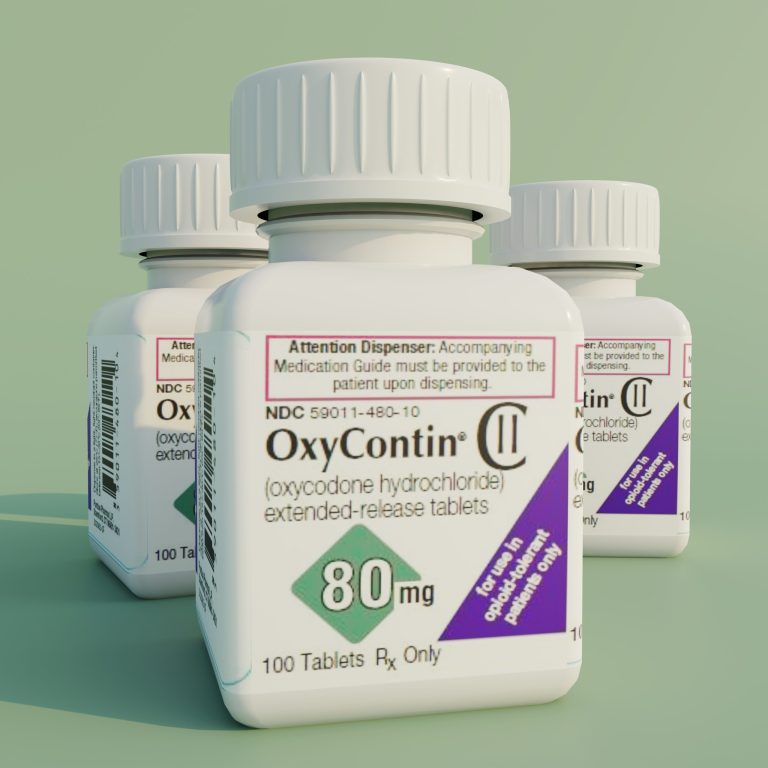
OxyContin is typically prescribed for the management of moderate to severe pain caused by various conditions, including injuries, bursitis, neuralgia, arthritis, and cancer. It provides relief by altering the way the brain and nervous system respond to pain. When used as directed by a healthcare professional, OxyContin can be an effective and safe pain management tool. However, due to its potential for abuse and addiction, it should only be used under careful medical supervision.
OxyContin is a long-release version of oxycodone, an opioid that acts on the brain like heroin and is intended for only the most severe and chronic pain cases. Because oxycodone and other opioids are extremely powerful and highly addictive, they’re very tightly regulated — and very popular with addicts and pill pushers.

Signs of OxyContin Addiction
Recognizing the signs of OxyContin addiction is crucial for early intervention and treatment. Some common signs of OxyContin addiction may include
- Increased tolerance: Individuals may require higher doses to achieve the desired effects.
- Physical dependence: The body becomes reliant on OxyContin, and sudden discontinuation can lead to withdrawal symptoms.
- Compulsive drug-seeking behavior: Individuals may prioritize obtaining and using drugs over other aspects of their life.
- Neglecting responsibilities: Important obligations, such as work, school, or personal relationships, may be neglected.
- Social withdrawal: Individuals may isolate themselves from friends and family.
- Financial difficulties: Addiction can lead to financial strain as individuals spend significant amounts of money to acquire the drug.
- Mood and behavior changes: OxyContin addiction can cause irritability, mood swings, and changes in behavior.
If you or someone you know exhibits these signs of OxyContin addiction, it is important to seek professional help as soon as possible.
what is oxycontin
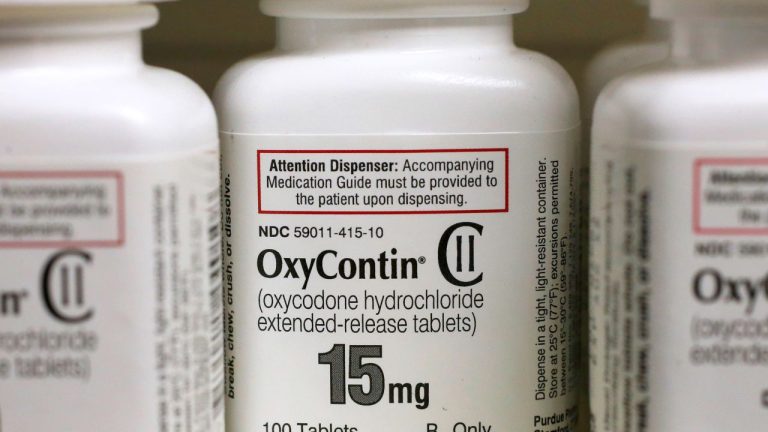
Oxycontin uk, read the Medication Guide provided by your pharmacist before you start using oxycodone extended-release and each time you get a refill. If you have any questions, ask your doctor or pharmacist.
OxyContin, an opioid, primarily affects the nervous system, including the brain and spinal cord. It binds to opioid receptors, providing pain relief but also causing euphoria and addiction. However, its impact extends beyond the nervous system. Oxy can suppress the respiratory system, leading to slowed breathing and even overdose. It also affects the gastrointestinal system, causing constipation and nausea.
Take this medication regularly, as directed by your doctor, and not as needed for sudden (breakthrough) pain. Take this medication with or without food, usually every 12 hours.
If you have nausea, taking this medication with food may help. Ask your doctor or pharmacist about other ways to reduce nausea (such as lying down for 1 to 2 hours with minimal head movement). If nausea persists, consult your doctor.
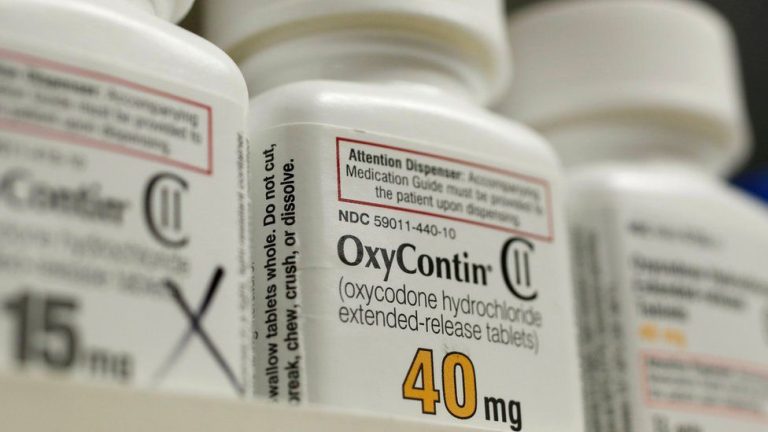
Swallow the tablets whole. Do not break, crush, chew or dissolve the tablets. Doing so may release the drug all at once, increasing the risk of an oxycodone overdose.

Side effects of oxycontin
Like any medication, Oxy can cause side effects. Common side effects may include constipation, nausea, drowsiness, dizziness, and dry mouth. These side effects usually subside as the body adjusts to the medication. However, if these side effects persist or worsen, it is important to consult a healthcare professional.
In rare cases, Oxy can cause more severe side effects. These may include respiratory depression, slowed heart rate, low blood pressure, allergic reactions, and even overdose. It is crucial to seek immediate medical attention if any of these serious side effects occur.
Nausea, vomiting, constipation, dry mouth, weakness, sweating, lightheadedness, lightheadedness, or drowsiness may occur. Some of these side effects may decrease after you have used this medication for a while. If any of these effects persist or worsen, tell your doctor or pharmacist immediately.
To prevent constipation, eat dietary fiber, drink enough water and exercise. You may also need to take a laxative. Ask your pharmacist which type of laxative is right for you.

Reviews
There are no reviews yet.