Description
Gabapentin For Pain : Effective Pain Relief and Seizure Management
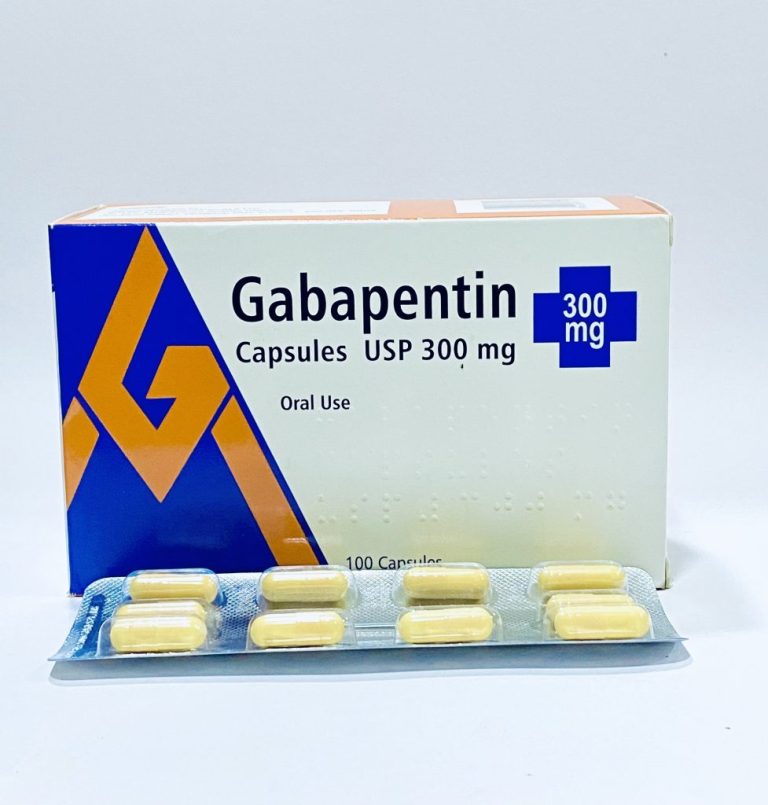
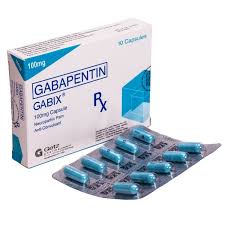
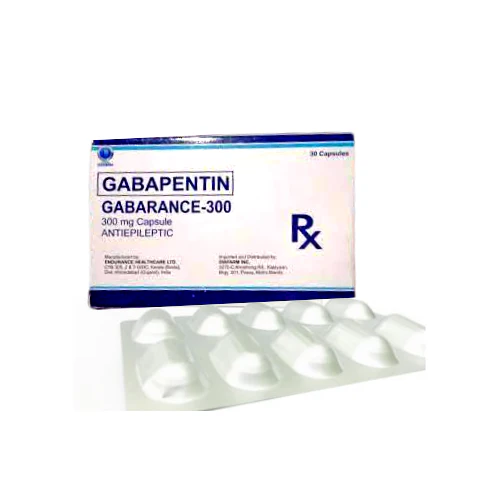
Gabapentin 300mg offers a reliable solution for managing nerve pain, seizures, and related conditions. This medication works by calming nerve activity in the brain, helping users reduce pain and control seizures efficiently. Understanding its dosage, effects, and cost ensures safe and effective treatment.
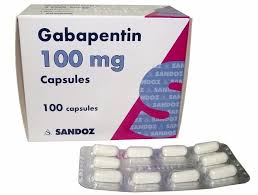
Gabapentin 100mg is an active ingredient commonly used in combination with other medications to prevent and control focal seizures or to relieve neuropathic pain following shingles in adults. Although it is widely used due to its clinical efficacy, the exact mechanism of action of Gabapentin remains unclear.

Gabapentin Dosage and Effects
This medication is commonly prescribed for nerve pain, epilepsy, and anxiety management. Doctors typically recommend starting with a low dose and gradually adjusting it based on your response to the treatment. Following your healthcare provider’s instructions closely helps avoid adverse effects.
The effects of Gabapentin 300mg include reduced nerve pain, decreased seizure frequency, and improved quality of life. Many users experience significant relief from discomfort and better seizure control after regular use. While it is generally well-tolerated, some may experience mild side effects like dizziness, drowsiness, or fatigue. If you experience severe reactions, contact your doctor immediately.
What is Gabapentin used for?
Gabapentin is typically formulated in various forms such as capsules, hard capsules, oral solutions, and film-coated tablets, with the active ingredient being Gabapentin and other excipients suited for each specific formulation. Gabapentin comes in different strengths, including 100mg and 300mg, with 300mg being the most commonly used strength.
Gabapentin is structurally similar to the neurotransmitter GABA (gamma-aminobutyric acid), but its mechanism of action is different from certain drugs that interact with GABA synapses, such as valproate, barbiturates, benzodiazepines, GABA transaminase inhibitors, GABA reuptake inhibitors, GABA receptor agonists, and GABA precursors. Gabapentin, at therapeutic doses, does not bind to brain neurotransmitter receptors such as GABAA, GABAB, benzodiazepine, glutamate, glycine, or N-methyl-D-aspartate (NMDA) receptors. It also does not interact with sodium channels, which makes its mechanism distinct from drugs like phenytoin and carbamazepine. Thus, it does not directly affect GABA receptors, nor does it alter GABA structure, release, metabolism, or absorption.
It is an anticonvulsant and neuropathic pain reliever, though its precise mechanism of action is not fully understood. In animal studies, it has been shown to prevent muscle rigidity after electric shock and inhibit seizures induced by pentylenetetrazol.
What does Gabapentin treat?
- Epilepsy: It is indicated as monotherapy for focal seizures with or without secondary generalized seizures in adults and children aged 12 years and older. Its safety and efficacy for monotherapy in children under 12 years have not been established.
- It is used as an adjunctive treatment for focal seizures with or without secondary generalized seizures in adults and children aged 3 years and older. Its safety and efficacy in children under 3 years have not been established.
It is used to treat neuropathic pain (e.g., postherpetic neuralgia, diabetic neuropathy) in adults aged 18 years and older. Its safety and efficacy in individuals under 18 years have not been established. - Not effective in absence seizures.
Conclusion
It provides effective relief for nerve pain and seizure management, improving the quality of life for many users. Understanding its dosage, effects, and cost helps ensure safe and efficient use. Always consult your healthcare provider to determine if this medication suits your needs and to discuss the appropriate dosage for your condition.

Reviews
There are no reviews yet.